
“If Andy Warhol had painted his pop art in the Italian Renaissance, he likely would have been labeled as heretic. If da Vinci had painted a classical work during the time of pop art, he would have been seen as creating dated, yet technically precise art, but hardly creative.”
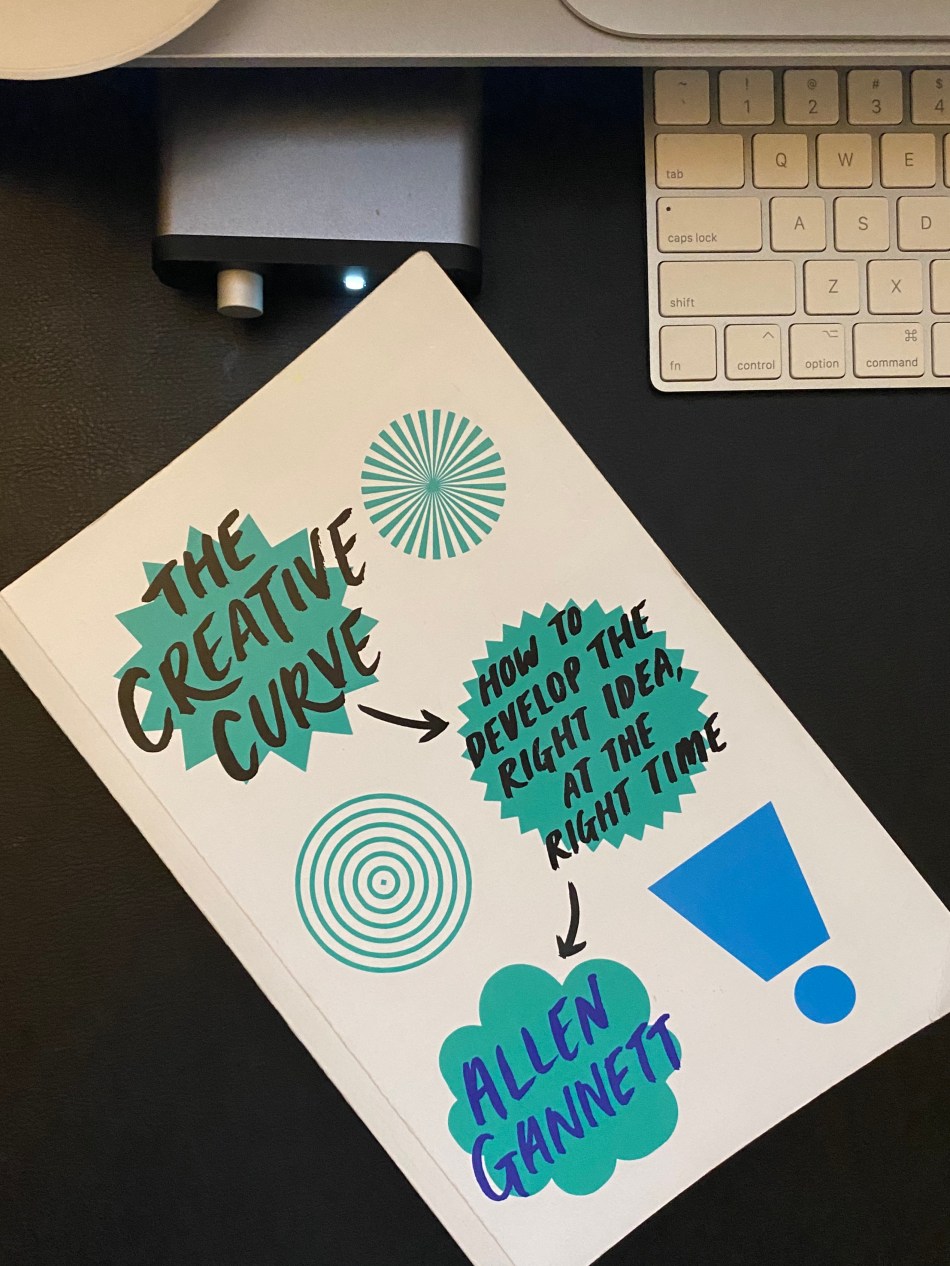
Few days after I officially signed up with a co-work space for my startup (business expansion), I finished reading the book The Creative Curve. It is probably an anti-thesis of the anti-thesis of creativity and prediction. An example is the unsticking of the flaws of the 10,000-hour rule. I learned about the 10,000-hour rule from the book Outliers by Malcolm Gladwell where he explains why practicing a specific task or a hobby, or a skill for 10,000 hours will make you become an expert in a given field. I would not agree it was wrong. However, there is another dimension that I probably did not see. It is the counter act to the rule of the author Allen Garnett. It makes sense using the cab driver who has more sense of direction because he learns from being familiar with the different streets and routes versus a bus driver with the same routine everyday is a good example. Same goes with any professional I could think of while reading the book. Paul McCartney heard in his dream the melody of the song “Yesterday” that became the most recorded song in the music industry. A classic example of creativity coming to an artist unplanned.
Creativity is a random gift from God. Creative brilliance is innate–we are born with it or we are not. Two additional elements of the inspiration theory are traditional IQ genius, and a little bit of neurotic or manic.
In the medieval view of creativity, the artist was merely an imitator, copying God’s reality. In the medieval times, there was no concept of a “famous artist”. Art was a collective effort. Most of the pieces were done in workshops. Most of the works were not original. “Most of the work artists created was not original. Instead, artists followed strict guidelines by imitating the recurring political and religious art required by churches and civic organizations.” Artists were skilled workers, nothing more divine than that. They would be analogous to today’s trained carpenters or bricklayers.
In the book you will learn about Divergent Thinking. The goal is to come up with numerous solutions to problems–is correlated with creativity. The more divergent your thinking, the more creative you are. Most people would say, “practice, practice, practice”. You may even have heard the faulty notion of the 10,000-hour rule. “However, neither of these ideas give us a satisfactory answer. Many people practice a skill for along time but come nowhere near the level of world-class expertise.” Exposure and flexibility must come together. The wider the scope, the flexible the responsibility.
The ingredients for fostering today’s creativity are Prosperity and Timing with the alignment of the subject matter, the gatekeepers, and the individual.
If you are interested to discover your own Aha moments (let’s say an idea pops out while you are taking a shower), the Latte Art and Brain Processing, and the Science of Pop Music or if you are a fan of the band Incubus, you would like to know why Mike Enzinger is a creative genius, the book gives lens of each story.
Why and how people avoid new things and are afraid of the unknown? Marketers are failing. Most of them are unconsciously following the traditional myth of the inspiration theory of creativity in their careers and in their offices.
Finally, but not the end in the book, it says that creatives must have different types of people in their networks. They need a community to adapt, foster, and embrace creativity. To adapt to the current, data-driven iterations are important to make creative people successful. It is not just a process. Creatives need to listen.
Stop, collaborate and listen.
Stay home while you read more books and blogs during this quarantine or lockdown period.
 RONALD LUCERO
0 comments on ““In the medieval view of creativity, the artist was merely an imitator, copying God’s reality.” – The Creative Curve”